
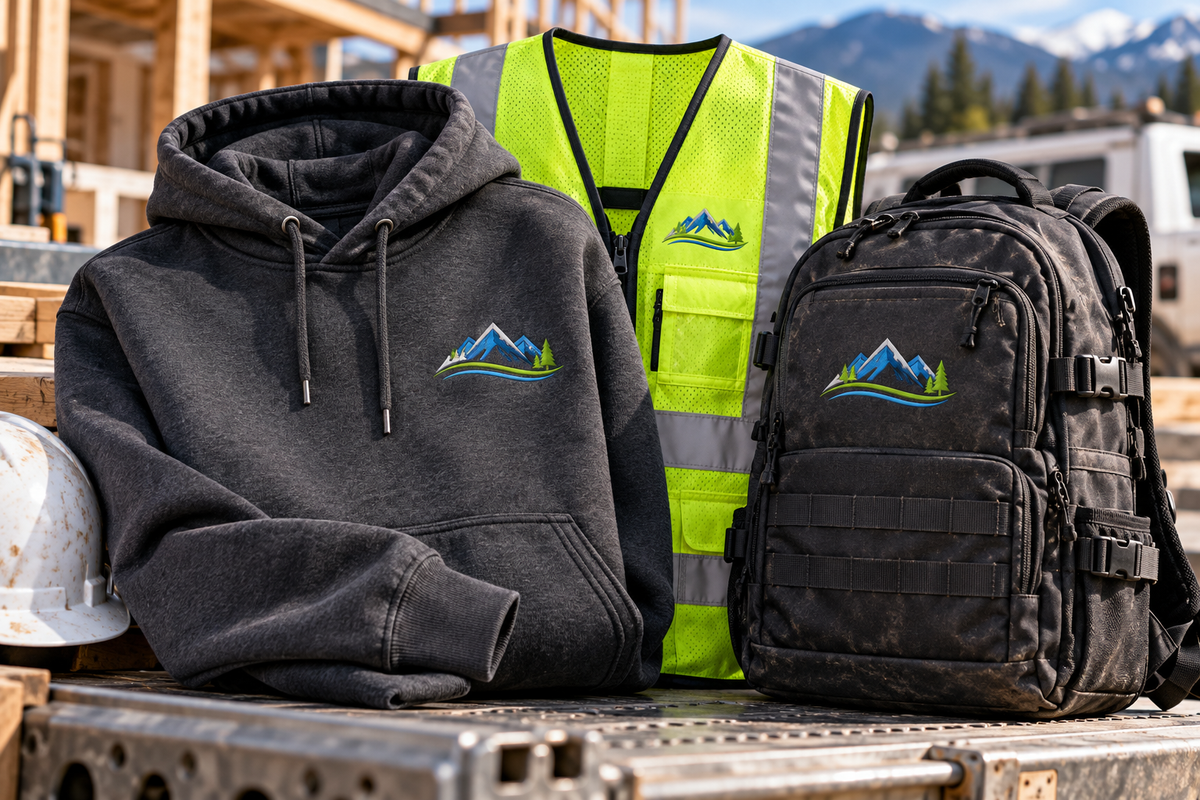
Cover image: illustrative decoration mockup.
A logo can look great when it comes off the press and still be the wrong match for the garment underneath it.
That is why water-resistant workwear deserves extra attention. A coated hoodie, jacket, or backpack may look like familiar fabric, but its surface finish can change how a transfer bonds. The fiber-content label does not tell you everything you need to know.
Before you decorate a full order, establish whether the transfer, garment, and application method work together.
Why the coating matters
Water-repellent finishes are designed to change how the garment's surface behaves. That surface can also make transfer adhesion more difficult. Two garments with similar fabric content can respond differently because their finishes, construction, or heat tolerance differ.
More heat is not an automatic solution. The garment may show marks or other changes before you achieve an acceptable bond. Follow garment guidance and test rather than repeatedly increasing temperature on a customer's finished item.
Where Strong Bond fits
Strong Bond DTF Transfers use a specialty adhesive for selected coated workwear and water-resistant garments. They are an additional option when the application calls for a different adhesive.
Potential projects include workwear hoodies, outerwear, safety vests, and bags. Those categories are starting points for evaluation, not a list of guaranteed compatible products. Some finishes can still prevent reliable adhesion.
Premium DTF remains our most popular option for cotton and polyester apparel. Both Premium DTF and Strong Bond include CMYK + R G B O expanded-color printing. Choose between them based on the garment and application, rather than assuming one is the better choice for every job.
Test the garment you will actually decorate
A successful test on another hoodie does not establish compatibility with this order. Use the same style, color, decoration location, and application setup planned for production. Recheck when a garment or finish changes.
- Review the garment guidance. Check heat-decoration restrictions and care instructions before pressing.
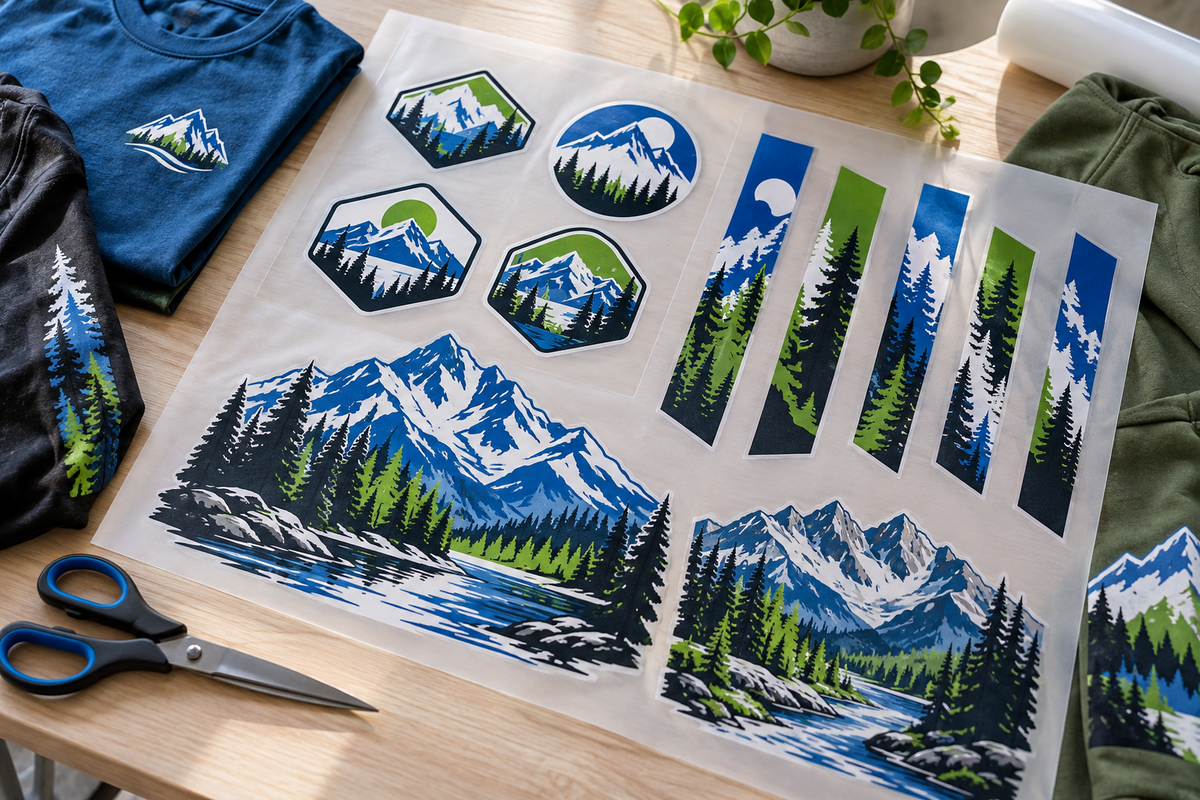
- Choose a representative test piece. A spare garment is preferable to risking the customer's entire order. A small purchased Strong Bond gang sheet can provide transfers for your evaluation.
- Apply using the Strong Bond instructions. Start at 290°F for 15 seconds with medium pressure. Let the transfer cool completely before peeling, then press again for 5 seconds.
- Inspect the result. Check edges, small details, appearance, and any visible change to the garment. Immediate adhesion is only the first checkpoint.
- Evaluate actual use and laundering. Follow the garment's care guidance and assess the decorated sample under the conditions the customer expects. Check for lifting, cracking, color changes, or other unacceptable results.
- Record what worked. Keep the garment style and color, transfer type, press, settings, placement, and test outcome with the job.
Heat presses vary in actual temperature and pressure. These settings are a starting point for testing, not a guarantee of compatibility with a particular coating.
Placement can make the job harder
Pockets, zippers, seams, and thick construction can interfere with a flat pressing surface. Evaluate the intended logo location before promising it to the customer. A transfer that works on a flat test area may behave differently when applied beside a raised seam.
For safety apparel, keep decoration clear of reflective elements and follow the garment manufacturer's decoration guidance. Do not assume that adding a logo preserves every original performance rating.
Set the right expectation before accepting the job
Explain that the exact garment needs a successful test before full production. Allow time for that evaluation in the quote and schedule. If the sample does not perform acceptably, change the garment or decoration plan before proceeding.
Strong Bond does not make a garment waterproof, and adhesion is not guaranteed across all coatings. Customers must confirm suitability through their own testing before production.
Build a Strong Bond gang sheet or upload your completed Strong Bond sheet to evaluate it on your next workwear project.


Leave a comment
This site is protected by hCaptcha and the hCaptcha Privacy Policy and Terms of Service apply.